
What is a medical suction machine, What are its features and uses?
Tiba · 5 May 2026
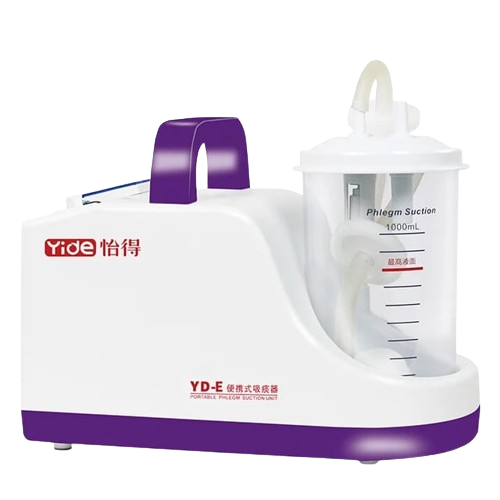
A medical suction machine is a device used to remove fluids such as mucus, blood, saliva, or vomit from a patient’s airway or surgical site. It plays a critical role in maintaining a clear airway and preventing complications during medical procedures or emergencies.
🔍 Key Features of a Medical Suction Machine
✔ Adjustable suction pressure – allows control depending on patient needs
✔ Power options – electric (AC/DC) or manual for emergency use
✔ Collection jar/canister – stores suctioned fluids safely
✔ Overflow protection system – prevents fluid from entering the motor
✔ Portable or stationary design – suitable for ambulances, wards, or home care
✔ Low noise operation – especially in modern electric units
✔ Durable and easy to clean – ensures hygiene and long-term use
✔ Tubing and suction catheter compatibility – flexible clinical application
⚙️ Types of Medical Suction Machines
- Electric suction machine – commonly used in hospitals
- Portable suction machine – ideal for ambulances and home care
- Manual suction pump – used in emergencies or low-resource settings
- Wall-mounted suction unit – found in ICU and theatre setups
🩺 Uses of a Medical Suction Machine
Medical suction machines are widely used for:
1. Airway Clearance
- Removes mucus or secretions to help breathing
- Essential in managing patients with Respiratory Distress
2. Emergency Care
- Clears vomit or blood to prevent airway blockage
- Used in trauma and resuscitation
3. Surgical Procedures
- Removes blood and fluids from the surgical field
- Improves visibility for surgeons
4. Intensive Care Units (ICU)
- Continuous suction for critically ill patients
- Helps manage conditions like Pneumonia
5. Home Care Use
- For patients with chronic conditions requiring airway support
- Useful in cases like Chronic Obstructive Pulmonary Disease
6. Dental and ENT Procedures
- Removes saliva and fluids during procedures
✅ Benefits of a Medical Suction Machine
- Maintains a clear airway for safe breathing
- Prevents aspiration and infections
- Enhances efficiency during medical procedures
- Life-saving in emergency situations
- Improves patient comfort and recovery